+91 95752 60218

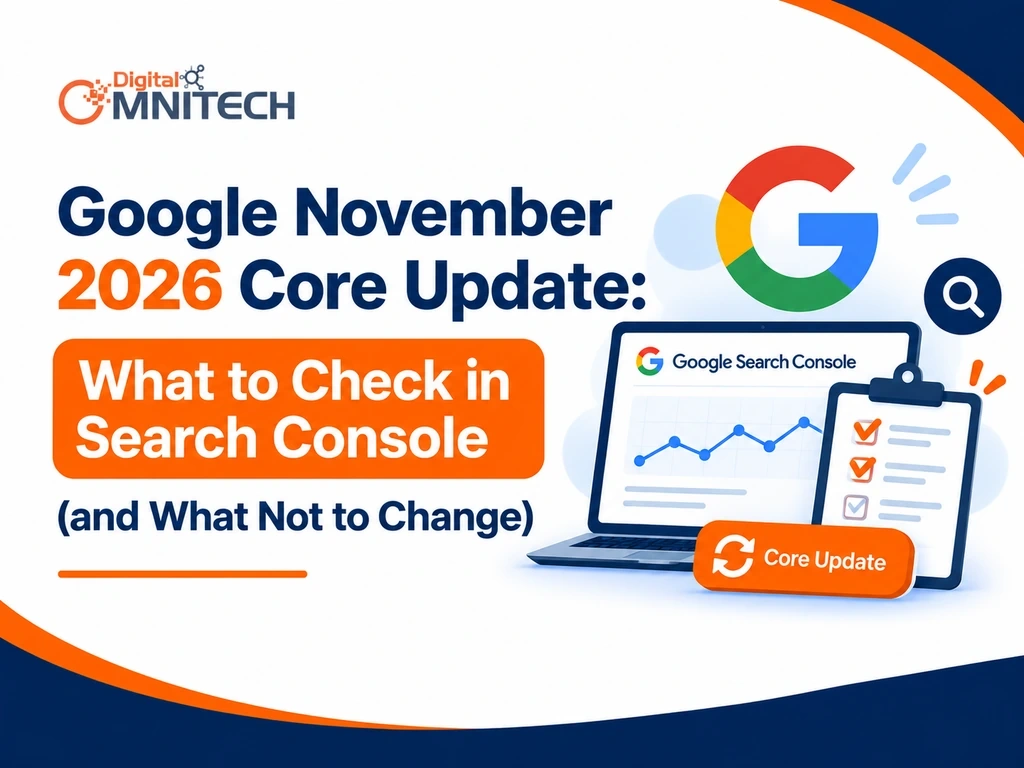
If you have seen changes in your Google rankings or in your traffic lately you might want to look into the our 2026 algorithm update guide .
Remember, not every drop in traffic is caused by an algorithm change and making unnecessary changes to your site can actually cause more problems. In this guide you will learn what Google announced, how to check your performance, in Search Console and what steps to take if your rankings drop.
Key Takeaways
- Google began its November 2026 Core Update rollout on November 10, with changes affecting search results worldwide across all languages.
- The rollout may take up to two weeks, potentially reaching November 24.
- Ranking fluctuations can affect organic clicks, impressions, average positions, and website traffic.
- Google Search Console helps identify affected pages, queries, and search performance changes.
- A ranking drop does not automatically mean Google has penalised your website.
- Recovery efforts should focus on content quality, search intent, technical SEO, and website experience.
- Performance comparisons should happen after the rollout finishes and at least one full week has passed.
What Is the Google November 2026 Core Update?
The Google November 2026 Core Update is a broad search ranking update released on November 10, 2026, to improve how Google surfaces relevant and satisfying content across all languages.
A Google core update is a major adjustment to its search systems that may influence the organic search rankings of websites.
For example, a website ranking on the first page for several keywords might experience position changes during the rollout.
According to Google’s official Search Status Dashboard:
- Announcement date: November 10, 2026.
- Rollout status: Active as of November 17, 2026.
- Expected duration: Up to two weeks.
- Coverage: Global, including all languages.
- Purpose: Surface relevant and satisfying content from different types of websites.
Google has not disclosed specific ranking factors or individual changes introduced in this update.
This is the third confirmed core update of 2026, following the March and May updates.
Check the Google Search Status Dashboard for official rollout announcements and completion status. You can also explore our 2026 Google algorithm updates guide for related developments.
Why Does the November 2026 Core Update Matter for Website Owners?
The November 2026 Core Update is important because changes to Google’s ranking systems can affect website visibility in search results. Initial ranking fluctuations may also affect key SEO metrics, such as clicks, impressions, organic traffic, and average position.
For example an ecommerce website might experience impressions, for product category pages while another website gains visibility for informational queries.
Watch these changes:
- Organic clicks: Are fewer people visiting your website from Google?
- Impressions: Are your pages appearing less frequently?
- Average position: Are important keywords losing visibility?
- Click-through rate: Are searchers choosing other results?
- Landing pages: Which pages are gaining or losing traffic?
At the same time, remember that a core update ranking drop is a decline in organic search visibility that occurs during or after a Google core update, although timing alone does not prove the update caused the decline.
Seasonality, competitor activity, changing search demand, website errors, and tracking issues can also influence performance.
Indian businesses should consider seasonal factors such as festive shopping, promotional campaigns, and changing customer demand before concluding that an algorithm update caused traffic losses.
How Can You Check Google Core Update Impact in Search Console?
Google Search Console helps you measure changes in organic search performance by comparing clicks, impressions, CTR, and average position across different periods.
First, avoid judging your website using only one or two days of data.
Follow these steps to investigate your website.
1. Check the Performance Report
Go to Google Search Console and navigate to Performance → Search results to review your website’s search performance.
Review these four metrics:
| Metric | What to check |
| Clicks | Changes in organic visits |
| Impressions | Changes in search visibility |
| CTR | Changes in search result engagement |
| Average position | Changes in keyword rankings |
For example, if impressions remain stable but clicks decrease, investigate whether your CTR has changed.
2. Identify Affected Pages and Queries
Next, open the Pages tab and identify URLs experiencing significant changes.
Then, use the Queries tab to find keywords that have lost visibility.
Look for patterns such as:
- Several blog posts losing impressions.
- Product pages experiencing lower clicks.
- Important service pages losing average positions.
- One content category performing worse than others.
This analysis helps you understand whether the issue affects your entire website or particular sections.
3. Compare the Correct Date Ranges
Google recommends waiting until the core update finishes rolling out and then waiting at least one full week before conducting your main Search Console comparison.
For the November update:
- Rollout started: November 10.
- Expected completion: Around November 24, if the full two-week period is used.
- Baseline comparison: November 3–9.
- Post-update comparison: A full week after the rollout and waiting period.
Importantly, these are suggested dates based on the expected timeline, not confirmed completion dates.
Google also recommends analysing Web Search, Image Search, Video, and News separately.
Which Google Core Update Checklist Should Website Owners Follow?
A Google core update recovery checklist helps website owners identify content, technical, and usability problems before making significant SEO changes.
First, focus on genuine website improvements instead of trying to guess Google’s undisclosed ranking factors.
Use this checklist to review your website.
Google November 2026 Core Update SEO Checklist
0 of 12 completed
0%
Check organic clicks, impressions, CTR and average position in Search Console.
Identify pages and queries experiencing sustained ranking losses.
Check whether traffic changes are seasonal or update-related.
Review whether content satisfies the actual search intent.
Update outdated facts, statistics, screenshots and examples.
Improve original insights, practical examples and content accuracy.
Check author information, credible sources and business details.
Review internal links and connections between related pages.
Check crawling, indexing, canonical tags and rendering issues.
Test mobile usability and Core Web Vitals.
Compare your pages with currently ranking competitors.
Monitor performance after implementing meaningful improvements.
Reset checklist
Review Your Content Quality
First, check whether your pages provide useful information rather than simply targeting keywords.
For example, a blog explaining website speed should include practical testing methods, clear explanations, and relevant recommendations.
Go through your SEO audit checklist and service offerings to identify areas where you can strengthen on-page content and improve your website’s overall quality.
Check Technical SEO and Page Experience
Next, investigate technical issues that might prevent Google from accessing or understanding your pages.
Review:
- Robots.txt and XML sitemaps.
- Indexing and canonical tags.
- Broken internal links.
- Mobile usability.
- Core Web Vitals and page speed.
For more guidance, explore our technical SEO checklist.
How Can You Recover From a Google Core Update Ranking Drop?
Google core update recovery involves reviewing affected pages, identifying content and website quality gaps, and making meaningful improvements based on user needs.
First, identify pages experiencing large and sustained ranking losses instead of changing every page on your website.
Then follow these practical steps:
- Identify affected URLs: Find pages with significant changes in clicks, impressions, and average position.
- Compare competitors: Review currently ranking pages to understand differences in content usefulness and relevance.
- Improve weak content: Add missing explanations, original examples, accurate information, and useful details.
- Strengthen internal links: Connect related articles and important service pages naturally.
- Fix technical problems: Resolve verified indexing, crawling, rendering, and performance issues.
- Monitor improvements: Track page-level performance over the following weeks and months.
However, Google does not guarantee recovery after website changes.
According to Google’s official core updates documentation, improvements can take several months to be reflected in search results. Some changes may take effect sooner.
Avoid rewriting your entire website simply because rankings fluctuate during a rollout.
Which SEO Tools Help Monitor the November 2026 Core Update?
SEO monitoring tools help website owners understand organic performance, ranking movements, and technical website problems.
Here are useful options:
| Tool | Primary purpose |
| Google Search Console | Clicks, impressions and queries |
| Google Analytics 4 | Organic landing page traffic |
| Google Search Status Dashboard | Official update status |
| Semrush | Keyword tracking and competitor analysis |
| Ahrefs | Backlink and competitor research |
| Screaming Frog | Technical SEO auditing |
| PageSpeed Insights | Website performance testing |
First, use free Google tools to establish your performance baseline. Then, consider paid platforms when you need deeper keyword tracking or competitor research.
What’s Next After the November 2026 Core Update?
Website owners need to watch Google’s announcements compare reliable performance data and prioritise meaningful SEO improvements after the rollout finishes. I think this approach keeps your site on track.
I believe that as of November 17 2026 the update is still active according to the dashboard. That means you should keep an eye on the changes.
Your next steps are: recommend the following actions.
- Monitor the Google Search Status Dashboard. I find this dashboard helpful for staying updated.
- Wait for Google’s rollout completion announcement. It is best to pause changes until the rollout is confirmed.
- Complete the recommended post‑update Search Console comparison. This will highlight any changes in performance.
- Investigate pages with sustained ranking losses. Those pages may need attention.
- Prioritise content quality and verified issues. Quality content and solid technical health are key.
- Track performance over the coming weeks. Consistent tracking helps spot trends.
For businesses that need a broader website review, WordPress website development and optimization can also support long‑term improvements. I have seen this approach yield results, for many clients.
Conclusion: Focus on Long-Term SEO Quality
The Google November 2026 Core Update is another reminder that organic search rankings can change as Google improves its search systems.
First, avoid panic-driven decisions. A temporary ranking decline does not automatically mean your website has a serious SEO problem.
Instead, use Google Search Console, review your content, fix genuine technical issues, and monitor performance after the rollout.
Sustainable SEO comes from consistently publishing helpful content, improving website experience, and understanding what your audience needs.
If you’re unsure how the update has affected your website, get a free SEO health check and identify opportunities to improve your organic search visibility.
Frequently Asked Questions
1. What Is the Google November 2026 Core Update?
The Google November 2026 Core Update is a broad search ranking update that began rolling out on November 10, 2026. It aims to help Google surface relevant and satisfying content across websites and languages.
2. How Does the November 2026 Core Update Affect Website Rankings?
The update can cause changes in keyword positions, organic clicks, impressions, and website visibility. Some websites may lose rankings, while others may gain visibility depending on how Google’s search systems reassess content.
3. How Can I Check Whether My Website Is Affected by the Core Update?
Use Google Search Console to compare clicks, impressions, CTR, and average position. Review affected pages and search queries to identify whether your website has experienced significant organic search changes.
4. What Should I Do If My Website Rankings Drop After a Google Core Update?
Avoid making sudden changes. Identify affected pages, review search intent, improve content quality, check technical SEO issues, and compare your pages with currently ranking competitors.
5. How Long Does It Take to Recover From a Google Core Update?
Recovery does not have a fixed timeline. Some improvements may take several weeks or months to become visible in search results, while others may take longer or be reflected in subsequent core updates.