+91 95752 60218


Search engine optimization has become more competitive than ever. Ranking on the first page now requires more than publishing content and hoping for results. Businesses need accurate data, technical insights, and a clear strategy to improve visibility and attract qualified traffic.
That is why businesses invest in professional SEO services that combine the right tools, data-driven insights, and optimization techniques to improve search visibility. Whether you’re managing a business website, an E-Commerce store, or a corporate brand, expert SEO solutions can streamline your workflow and help achieve sustainable growth across search engines. In this guide, we’ll explore the most valuable categories of SEO tools that continue to deliver results in 2026.
Why SEO Tools Matter More Than Ever
Modern search algorithms evaluate hundreds of ranking factors. From page experience and content relevance to authority and technical health, every aspect of a website contributes to its search performance.
Without proper insights, it becomes difficult to identify issues that may be limiting growth. SEO platforms help businesses monitor performance, uncover opportunities, and make improvements based on real data rather than assumptions.
They also save time by automating tasks that would otherwise require hours of manual work.
1. Keyword Discovery Platforms
Every successful SEO strategy begins with understanding what users are searching for.
Keyword discovery tools help marketers identify search trends, uncover long-tail opportunities, and understand user intent. Instead of targeting broad terms, businesses can focus on phrases that align with customer needs and buying behavior.
This process often leads to better content planning and stronger organic visibility.
2. Technical Website Audit Solutions
A website may have excellent content but still struggle to rank if technical issues exist behind the scenes.
Audit platforms help identify problems such as:
- Broken pages
- Missing metadata
- Duplicate content
- Slow loading speeds
- Mobile usability concerns
- Crawlability issues
Regular technical reviews ensure that search engines can properly access and understand website content.
3. Ranking Monitoring Systems
Tracking keyword positions provides valuable insight into SEO performance.
Businesses can monitor:
- Visibility changes
- Location-based rankings
- Mobile search performance
- Competitor movements
- Search trends over time
Consistent monitoring helps teams understand whether optimization efforts are producing meaningful results.
4. Backlink Evaluation Tools
Links from reputable websites remain an important trust signal.
Backlink evaluation platforms help businesses:
- Review link quality
- Identify potentially harmful links
- Monitor new references
- Measure authority growth
- Discover outreach opportunities
A healthy backlink profile often contributes to stronger search visibility and improved credibility.
5. Competitor Intelligence Platforms
Understanding competitors can reveal opportunities that might otherwise go unnoticed.
These tools provide insights into:
- High-performing content
- Organic visibility trends
- Ranking opportunities
- Content gaps
- Link acquisition patterns
Competitive analysis helps businesses develop smarter strategies while avoiding unnecessary guesswork.
6. Content Optimization Assistants
Creating content is only part of the process.
Optimization tools help ensure content aligns with search intent and user expectations. They often evaluate:
- Topic coverage
- Content structure
- Readability
- Semantic relevance
- User engagement signals
Well-optimized content generally performs better because it satisfies both readers and search engines.
7. Site Health Monitoring Tools
SEO is not a one-time activity.
Monitoring systems continuously evaluate website performance and notify teams about issues before they become serious problems.
Common monitoring areas include:
- Indexation status
- Performance changes
- Structured data errors
- Core Web Vitals
- Server issues
This proactive approach helps maintain long-term search performance.
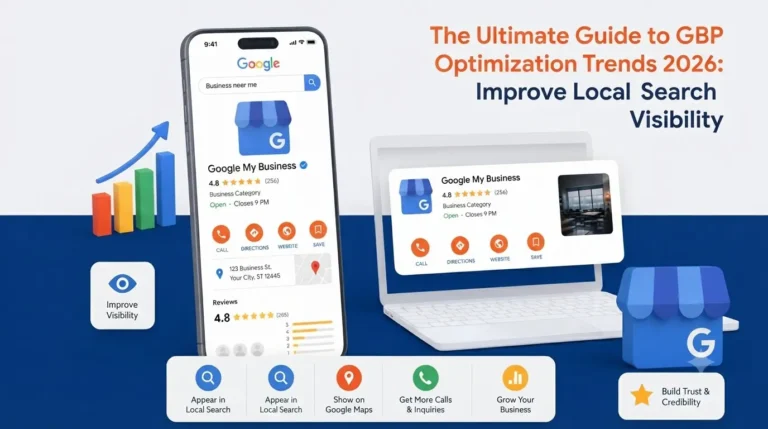
8. Local Search Optimization Tools
For businesses serving specific geographic areas, local visibility is essential.
Local SEO platforms support:
- Business profile management
- Citation tracking
- Review monitoring
- Local ranking analysis
- Geographic performance reporting
Strong local visibility often translates directly into leads and customer inquiries.
9. Link Outreach Management Solutions
Building relationships remains an important part of SEO.
Outreach management tools help organize campaigns by tracking prospects, monitoring communication, and managing partnerships more efficiently.
When outreach is handled strategically, businesses can earn valuable mentions and references from relevant websites.
10. Search Results Analysis Platforms
Studying search results can reveal valuable information about user expectations.
These tools help marketers analyze:
- Featured snippets
- Search intent
- Content formats
- SERP features
- Competitive positioning
Understanding what currently ranks allows businesses to create more relevant and competitive content.
11. Performance Analytics Tools
Traffic alone doesn’t tell the whole story.
Analytics platforms help businesses understand:
- Visitor behavior
- Engagement metrics
- Conversion patterns
- Landing page effectiveness
- Content performance
These insights help marketers focus on activities that generate meaningful outcomes rather than vanity metrics.
12. On-Page Optimization Platforms
On-page SEO remains a fundamental part of any successful strategy.
Optimization tools help improve:
- Title tags
- Heading structures
- Internal linking
- Image optimization
- Content relevance
- Metadata quality
Small improvements across multiple pages can create significant gains over time.
13. SEO Reporting Systems
Clear reporting helps stakeholders understand progress.
Reporting platforms transform complex data into easy-to-understand dashboards that highlight:
- Traffic growth
- Visibility improvements
- Technical fixes
- Ranking changes
- Campaign performance
This transparency supports better decision-making across teams.
14. Workflow Automation Solutions
Automation is becoming increasingly important as SEO campaigns grow more complex.
Many platforms now automate:
- Data collection
- Scheduled audits
- Ranking updates
- Performance alerts
- Report generation
Automation reduces manual effort while improving consistency and accuracy.
15. Integrated SEO Platforms
Many organizations prefer all-in-one solutions that combine multiple functions within a single environment.
These platforms often include:
- Research capabilities
- Technical analysis
- Performance monitoring
- Reporting features
- Competitive insights
Having everything in one place simplifies management and improves efficiency.
How Digital Omnitech Approaches Modern SEO
SEO software is most effective when combined with expertise, strategy, and continuous optimization. At Digital Omnitech, successful campaigns are built around understanding user intent, improving technical performance, creating valuable content, and measuring results consistently.
Rather than chasing short-term ranking gains, the focus is on building sustainable visibility that drives qualified traffic and long-term business growth.
This balanced approach allows businesses to adapt as search engines evolve while maintaining a strong online presence.
Choosing the Right SEO Platform
Before selecting any solution, consider:
- Business goals
- Team size
- Reporting requirements
- Technical capabilities
- Scalability
- Ease of use
- Available support
The best platform is not always the one with the most features. Instead, it should provide the insights and functionality needed to support your specific objectives.
Final Thoughts
SEO success in 2026 depends on making informed decisions based on accurate data. From technical improvements and content optimization to performance monitoring and competitive analysis, the right tools can help businesses work more efficiently and achieve stronger results.
By using SEO tools strategically and focusing on long-term growth, organizations can improve visibility, attract qualified visitors, and build a stronger digital presence in an increasingly competitive search landscape.
FAQs
1. Why are SEO tools important in 2026?
SEO tools help businesses identify opportunities, monitor performance, fix technical issues, and make data-driven decisions that improve search visibility.
2. How often should a website be audited?
A comprehensive audit should be conducted regularly, especially after major website updates or changes that may affect performance.
3. What is the purpose of backlink analysis?
Backlink analysis helps evaluate the quality and relevance of incoming links, which can influence website authority and rankings.
4. Do small businesses need SEO tools?
Yes. Even small businesses can benefit from tracking performance, identifying opportunities, and improving their online visibility.
5. Can SEO tools guarantee higher rankings?
No tool can guarantee rankings. However, they provide valuable insights that help businesses make better optimization decisions and improve their chances of success.