+91 95752 60218

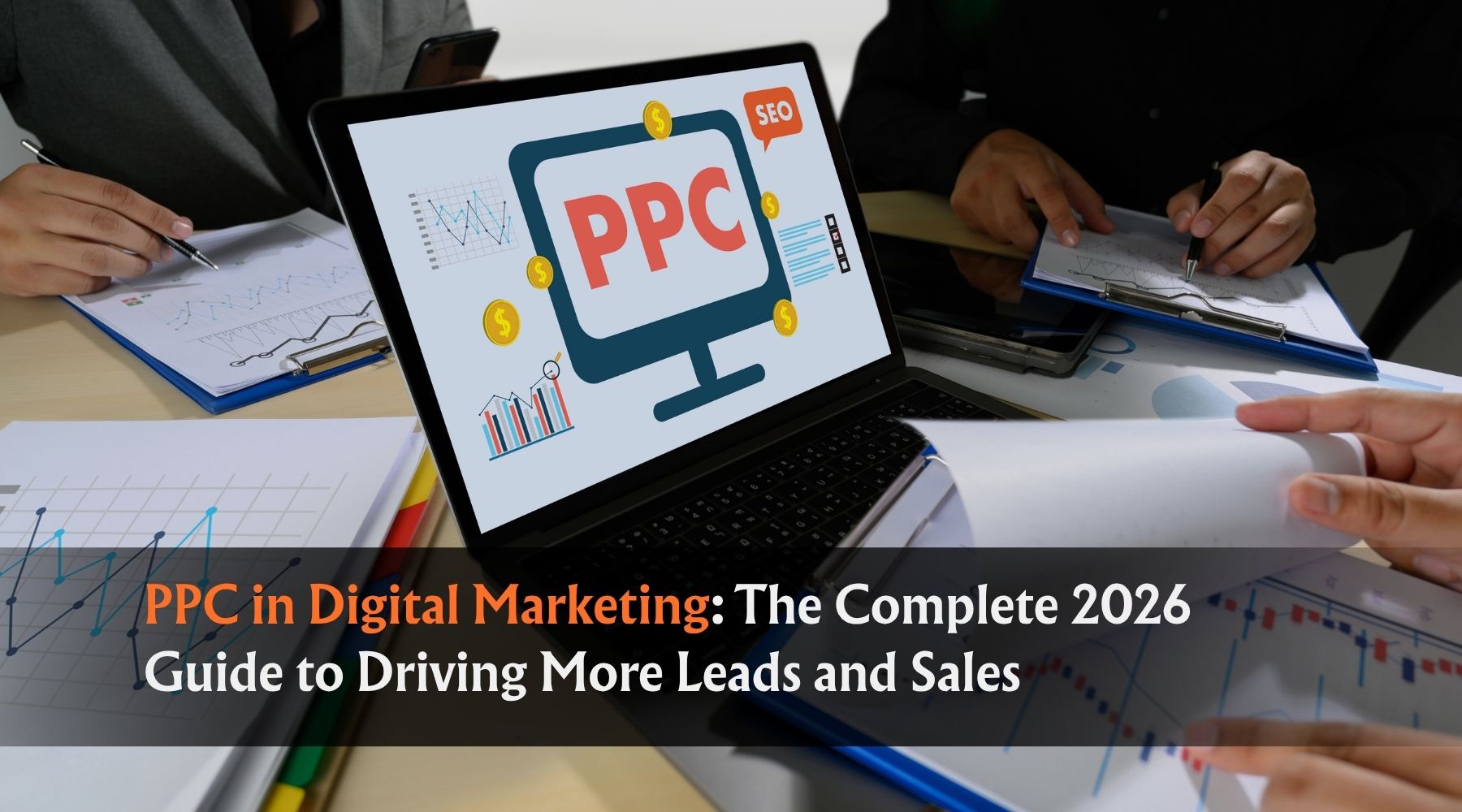
In today’s competitive online landscape, PPC in Digital Marketing has become one of the most effective methods for businesses to generate targeted traffic, increase visibility, and attract qualified leads. While organic marketing remains important, paid advertising provides businesses with the ability to appear in front of potential customers almost instantly.
At Digital OmniTech, businesses increasingly rely on PPC strategies to accelerate growth, improve customer acquisition, and maximize return on investment. Whether you are new to paid advertising or looking to improve existing campaigns, understanding the fundamentals of PPC can help you achieve better results.
What is PPC in Digital Marketing?
PPC, or pay-per-click advertising, is a digital advertising model in which advertisers pay only when a user clicks on their advertisement. Instead of waiting for organic rankings to generate traffic, businesses can immediately place their message in front of potential customers through paid placements.
This advertising approach allows businesses to target users based on search intent, demographics, interests, location, and online behavior. Because of its targeting capabilities, PPC is often one of the fastest ways to generate leads and sales online.
Modern digital marketing PPC strategies focus on delivering relevant advertisements to the right audience at the right time, helping businesses maximize marketing efficiency and profitability.
Why PPC Continues to Grow in 2026
Online competition is stronger than ever. Businesses across nearly every industry are investing in paid advertising because it delivers measurable and scalable results.
Some major advantages include:
- Immediate visibility
- Highly targeted traffic
- Flexible budgeting
- Faster lead generation
- Better brand awareness
- Measurable performance
- Improved conversion opportunities
Unlike many marketing channels that require months to produce results, PPC campaigns can begin generating traffic and leads shortly after launch.
Many businesses partner with Digital OmniTech to create scalable PPC campaigns that generate qualified leads, improve visibility, and support long-term business growth.
How PPC Advertising Works
The concept behind pay-per-click advertising is simple.
Businesses choose keywords related to their products or services and create advertisements designed to attract potential customers. When users search for those keywords, advertisements may appear within search results.
When a user clicks an ad, the advertiser pays a fee. However, successful PPC advertising involves much more than selecting keywords.
Effective campaigns require:
- Strategic keyword selection
- Audience targeting
- Competitive bidding
- High-quality ad copy
- Optimized landing pages
- Continuous performance monitoring
When all these elements work together, PPC can become a powerful revenue-generating channel.
The Importance of Search Intent
One of the biggest advantages of PPC advertising is the ability to target users who already have a specific need.
Search intent generally falls into four categories:
Informational Intent
Users are looking for information or answers.
Navigational Intent
Users want to reach a specific website or page.
Commercial Intent
Users are researching products or services before making a purchase.
Transactional Intent
Users are ready to take action immediately.
Successful PPC campaigns focus heavily on commercial and transactional intent because these users are more likely to convert into customers.
Building a Strong Keyword Strategy
Keyword research is the foundation of every successful PPC campaign.
Businesses should focus on:
- High-intent keywords
- Long-tail keyword opportunities
- Industry-specific search terms
- Local targeting keywords
- Conversion-focused phrases
Selecting the right keywords ensures advertising budgets are spent on audiences that are most likely to take action.
A strong keyword strategy also helps improve campaign relevance and overall performance.
At Digital OmniTech, keyword research remains a critical part of every PPC strategy because it helps businesses connect with high-intent audiences and maximize advertising efficiency.
Creating Effective Advertisements
Even the best keyword strategy cannot succeed without compelling ad copy.
Effective advertisements should include:
Clear Headlines
Headlines should immediately communicate value and relevance.
Strong Benefits
Explain how the product or service solves a problem.
Clear Calls to Action
Encourage users to take the next step.
Keyword Relevance
Advertisements should closely align with targeted search terms.
Trust Signals
Include elements that build credibility and confidence.
Well-written ads typically achieve higher click-through rates and improved campaign performance.
Landing Pages and Conversion Optimization
Driving clicks is only part of the process.
The landing page experience often determines whether a visitor becomes a customer.
Effective landing pages should:
- Load quickly
- Match advertisement messaging
- Provide clear information
- Focus on one primary objective
- Include strong calls to action
- Be mobile friendly
A well-optimized landing page can significantly improve conversion rates and reduce advertising costs.
Understanding Quality Score
Quality Score is an important factor in PPC advertising performance.
It measures:
- Keyword relevance
- Advertisement quality
- Landing page experience
- Expected click-through rate
Higher Quality Scores often result in:
- Lower cost-per-click
- Better ad positions
- Improved campaign efficiency
Businesses that prioritize relevance and user experience typically benefit from stronger overall results.
Budget Management and Bid Optimization
Managing budgets effectively is essential for long-term PPC success.
Advertisers should continuously monitor:
- Cost-per-click
- Conversion rates
- Cost per acquisition
- Return on ad spend
- Overall profitability
Bid optimization helps businesses allocate spending toward the highest-performing keywords and audiences.
Consistent analysis prevents wasted budget and improves overall campaign performance.
Audience Targeting Strategies
Modern PPC platforms provide advanced audience targeting capabilities.
Businesses can target users based on:
- Location
- Age
- Interests
- Device type
- Online behavior
- Previous website interactions
Audience segmentation allows advertisers to create highly personalized campaigns that improve engagement and conversion rates.
The more relevant the audience, the more efficient the campaign becomes.
Common PPC Mistakes Businesses Make
Many businesses struggle with PPC because they overlook important fundamentals.
Common mistakes include:
- Poor keyword targeting
- Weak ad copy
- Unoptimized landing pages
- Ignoring performance data
- Broad audience targeting
- Lack of conversion tracking
- Inconsistent campaign monitoring
Avoiding these mistakes can dramatically improve campaign profitability.
Why Ongoing Optimization Matters
PPC advertising is not a one-time setup process.
Successful campaigns require continuous refinement and testing.
This includes:
- Updating keywords
- Testing advertisements
- Improving landing pages
- Refining audiences
- Adjusting bids
- Monitoring conversions
This ongoing process ensures campaigns remain competitive and continue delivering strong results.
The Value of Professional Google Ads Management
Many businesses choose professional support because managing paid advertising campaigns effectively requires expertise, strategic planning, and continuous optimization.
Professional Google Ads management helps businesses:
- Improve campaign performance
- Reduce unnecessary ad spend
- Increase lead generation opportunities
- Enhance audience targeting
- Optimize keyword selection
- Improve conversion rates
- Maximize return on advertising investment
With proper campaign management, businesses can focus on growth while experienced professionals handle bidding strategies, ad optimization, performance tracking, and ongoing improvements to deliver consistent results.
Digital OmniTech helps businesses improve campaign performance through audience targeting, bid optimization, performance tracking, and continuous campaign refinement.
As paid advertising becomes increasingly competitive, businesses must also stay informed about emerging industry developments. New technologies, automation tools, and data-driven strategies are continuously reshaping how PPC campaigns are planned, managed, and optimized.
PPC Trends Shaping 2026
The future of PPC continues to evolve rapidly.
Key trends include:
- AI-driven campaign optimization
- Predictive audience targeting
- Enhanced automation
- Privacy-focused advertising
- Advanced attribution modeling
- Smarter bidding systems
Businesses that adapt to these trends will be better positioned to maintain a competitive advantage in the years ahead.
Conclusion
PPC remains one of the most powerful marketing channels available to modern businesses. From targeted traffic generation and lead acquisition to measurable performance tracking and scalable growth, PPC offers significant opportunities for organizations of all sizes.
By focusing on strong keyword research, audience targeting, quality advertisements, optimized landing pages, and ongoing campaign improvements, businesses can maximize advertising performance and achieve sustainable growth.
As digital competition continues to increase, investing in effective PPC strategies will remain a critical component of long-term online success. With expert guidance from Digital OmniTech, businesses can build high-performing PPC campaigns that generate qualified leads, improve conversion rates, and support long-term growth.
FAQs
What is PPC in digital marketing?
PPC is a paid advertising model where businesses pay when users click their advertisements.
Why is PPC important?
PPC provides immediate visibility, targeted traffic, and measurable results.
How can businesses improve PPC performance?
Businesses can improve performance through keyword optimization, audience targeting, testing, and conversion tracking.
How long does it take to see PPC results?
Many campaigns begin generating traffic immediately after launch, although optimization improves results over time.
Why should businesses consider professional PPC management?
Professional management helps improve efficiency, reduce wasted spending, and increase return on investment.