+91 95752 60218

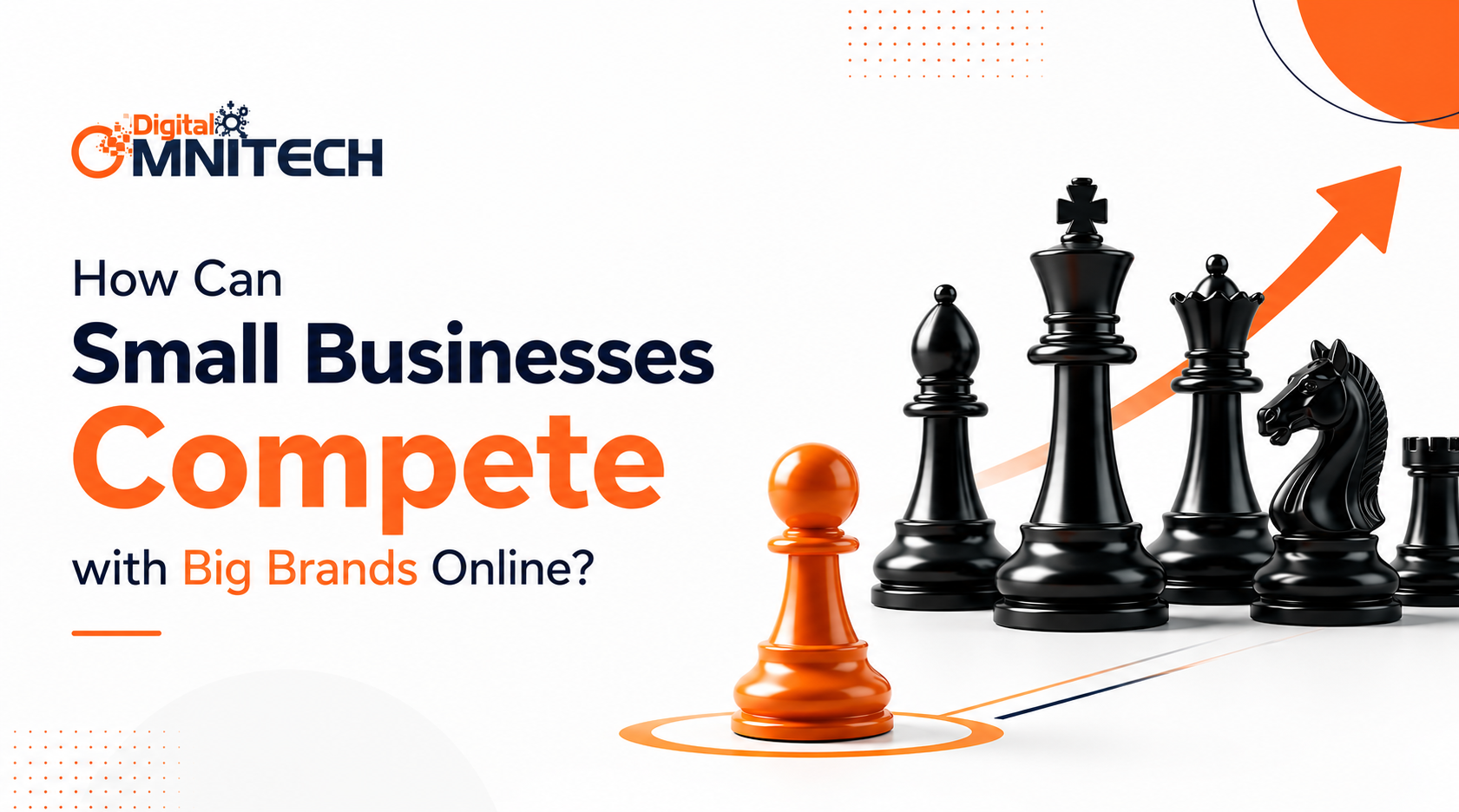
In today’s highly competitive digital marketplace, small businesses face the challenge of competing with well-established brands that often have larger marketing budgets, stronger brand recognition, and extensive resources.
However, the digital landscape has significantly reduced these barriers by providing equal opportunities for businesses that implement smart online marketing strategies.
Success is no longer determined solely by company size but by visibility, credibility, customer experience, and consistent digital efforts. Businesses that focus on delivering value, understanding customer intent, and building a strong online presence can successfully compete regardless of their size.
An effective digital strategy combines search engine optimization, content marketing, website optimization, local visibility, and user engagement. When these elements work together, small businesses can attract qualified traffic, improve conversions, and establish long-term customer relationships. Businesses looking to strengthen their online presence can benefit from professional SEO Services that support sustainable organic growth.
Understand Your Competitive Advantage
Large brands often target broad audiences, while small businesses have the flexibility to serve specific customer needs with greater personalization. This allows them to build stronger relationships, respond quickly to market changes, and provide customized solutions that larger organizations may struggle to deliver.
Customers increasingly value authenticity, responsiveness, and personalized experiences. By focusing on these strengths, small businesses can differentiate themselves from competitors and create a loyal customer base.
Rather than trying to outperform larger companies in every area, businesses should identify their unique strengths and communicate them consistently across digital platforms.
Digital OmniTech helps businesses develop customized marketing strategies that highlight their competitive advantages and improve online visibility.
Invest in Search Engine Optimization
Search engine optimization remains one of the most valuable long-term investments for small businesses. Unlike paid advertising that stops generating traffic when the budget ends, SEO continues to deliver organic visibility over time. Appearing on the first page of search results increases credibility while attracting users who are actively searching for relevant products or services.
A successful SEO strategy includes keyword research, technical optimization, quality content creation, internal linking, mobile optimization, and continuous performance monitoring. Long-tail keywords often provide better opportunities for smaller businesses because they face lower competition while attracting highly targeted audiences with stronger purchase intent.
Consistent SEO improvements also enhance website authority, making it easier to rank for additional keywords as the business grows.
Create Valuable Content That Solves Problems
Content marketing is one of the most effective ways to compete with larger brands because it focuses on expertise rather than advertising budgets. Publishing educational blogs, industry guides, detailed service pages, case studies, and frequently asked questions helps businesses demonstrate authority while addressing customer concerns.
Search engines reward websites that consistently publish valuable, informative, and well-structured content. High-quality content also increases the likelihood of earning backlinks, improving user engagement, and generating repeat visitors.
Instead of creating promotional articles, businesses should focus on answering real customer questions, explaining industry concepts, and providing practical solutions. This approach builds trust and positions the business as a reliable source of information.
Optimize Website Performance
A professionally designed website serves as the foundation of every successful digital marketing strategy. Visitors expect websites to load quickly, display properly on mobile devices, and provide an intuitive browsing experience. Slow-loading pages, confusing navigation, and outdated designs reduce customer confidence and increase bounce rates.
Website optimization includes improving loading speed, responsive design, page structure, user experience, and technical SEO. Every landing page should guide visitors toward meaningful actions while providing clear and relevant information.
Regular website audits help identify performance issues before they affect search rankings or customer satisfaction.
Build Strong Local Visibility
Local SEO offers significant opportunities for businesses serving customers within specific geographic regions. Many consumers search online before choosing nearby service providers, making local search optimization an essential component of digital marketing.
Creating location-focused content, optimizing business information, encouraging customer reviews, and maintaining consistent online listings improve visibility in local search results. Businesses that establish a strong local presence often compete successfully against national competitors by offering personalized services and local expertise.
Strengthen Brand Authority
Customers are more likely to choose businesses they recognize and trust. Building authority requires consistent branding, informative content, professional communication, and reliable customer experiences.
Authority develops gradually through educational resources, industry insights, successful projects, and positive customer interactions. Businesses that consistently provide valuable information become trusted sources within their industries.
A strong brand identity also improves customer recall, helping businesses remain competitive in crowded markets.
Deliver an Outstanding Customer Experience
Customer experience has become one of the strongest competitive differentiators in digital marketing. While larger brands often manage thousands of customer interactions daily, small businesses can provide faster responses and more personalized support.
Every customer interaction contributes to overall brand perception. Prompt communication, transparent processes, professional service, and consistent follow-up increase customer satisfaction while encouraging referrals and repeat business.
Positive experiences frequently generate online reviews, which further improve search visibility and customer trust.
Focus on Mobile Users
Most online searches now originate from smartphones and tablets, making mobile optimization essential for business growth. Mobile-friendly websites improve usability, reduce bounce rates, and increase conversion opportunities.
Responsive layouts, readable content, optimized images, and simplified navigation create better experiences for mobile visitors. Search engines also prioritize websites that deliver excellent mobile performance, making optimization beneficial for both users and rankings.
Use Data to Improve Marketing Performance
Digital marketing provides measurable insights that help businesses make informed decisions. Monitoring website traffic, keyword rankings, conversion rates, user behavior, and engagement metrics allows businesses to identify successful strategies while improving underperforming areas.
Data-driven decisions reduce unnecessary marketing expenses and improve return on investment. Continuous analysis also helps businesses adapt quickly to changing customer behavior and market trends.
Digital OmniTech supports organizations with performance-focused marketing strategies that combine analytics, SEO, and content optimization to achieve measurable business growth.
Build Long-Term Trust Through Consistency
Competing with larger brands requires consistency rather than short-term campaigns. Businesses that regularly publish informative content, update their websites, optimize search performance, and maintain active customer engagement gradually strengthen their online presence.
Trust develops over time through consistent quality, transparent communication, and reliable service delivery. Customers are more likely to recommend businesses that continually demonstrate professionalism and expertise.
Digital marketing should therefore be viewed as an ongoing investment rather than a one-time activity.
Conclusion
Small businesses have greater opportunities than ever before to compete successfully in the digital marketplace. Although larger organizations possess greater financial resources, smaller businesses benefit from flexibility, faster decision-making, personalized customer experiences, and targeted marketing strategies.
By investing in search engine optimization, paid marketing, valuable content, website performance, local SEO, and customer satisfaction, businesses can build sustainable online visibility, generate qualified leads, and attract the right audience. A balanced combination of organic and paid digital marketing helps businesses achieve both short-term visibility and long-term growth.
Long-term success depends on consistency, continuous improvement, and adapting to changing customer expectations. Businesses that prioritize quality over quantity and focus on delivering genuine value can establish strong market positions regardless of their size.
Digital OmniTech provides customized digital marketing solutions, including SEO, paid marketing, content marketing, and website optimization, helping businesses strengthen their online presence, improve search rankings, increase conversions, and achieve sustainable business growth.
Frequently Asked Questions
1. How can small businesses compete with big brands online?
Small businesses can compete by investing in SEO, creating valuable content, improving website performance, focusing on local SEO, and providing exceptional customer experiences that build long-term trust.
2. Why is SEO important for small businesses?
SEO improves online visibility, attracts qualified organic traffic, enhances brand credibility, and generates sustainable leads without relying entirely on paid advertising.
3. What is the most effective digital marketing strategy for small businesses?
A balanced strategy that combines SEO, content marketing, website optimization, local SEO, and conversion optimization provides the strongest long-term results.
4. How does content marketing help businesses grow?
Content marketing builds authority, improves search engine rankings, answers customer questions, increases website traffic, and supports lead generation throughout the customer journey.
5. Why should businesses choose professional digital marketing services?
Professional digital marketing helps businesses implement effective strategies, optimize online performance, improve search rankings, increase qualified traffic, and achieve measurable long-term growth