+91 95752 60218

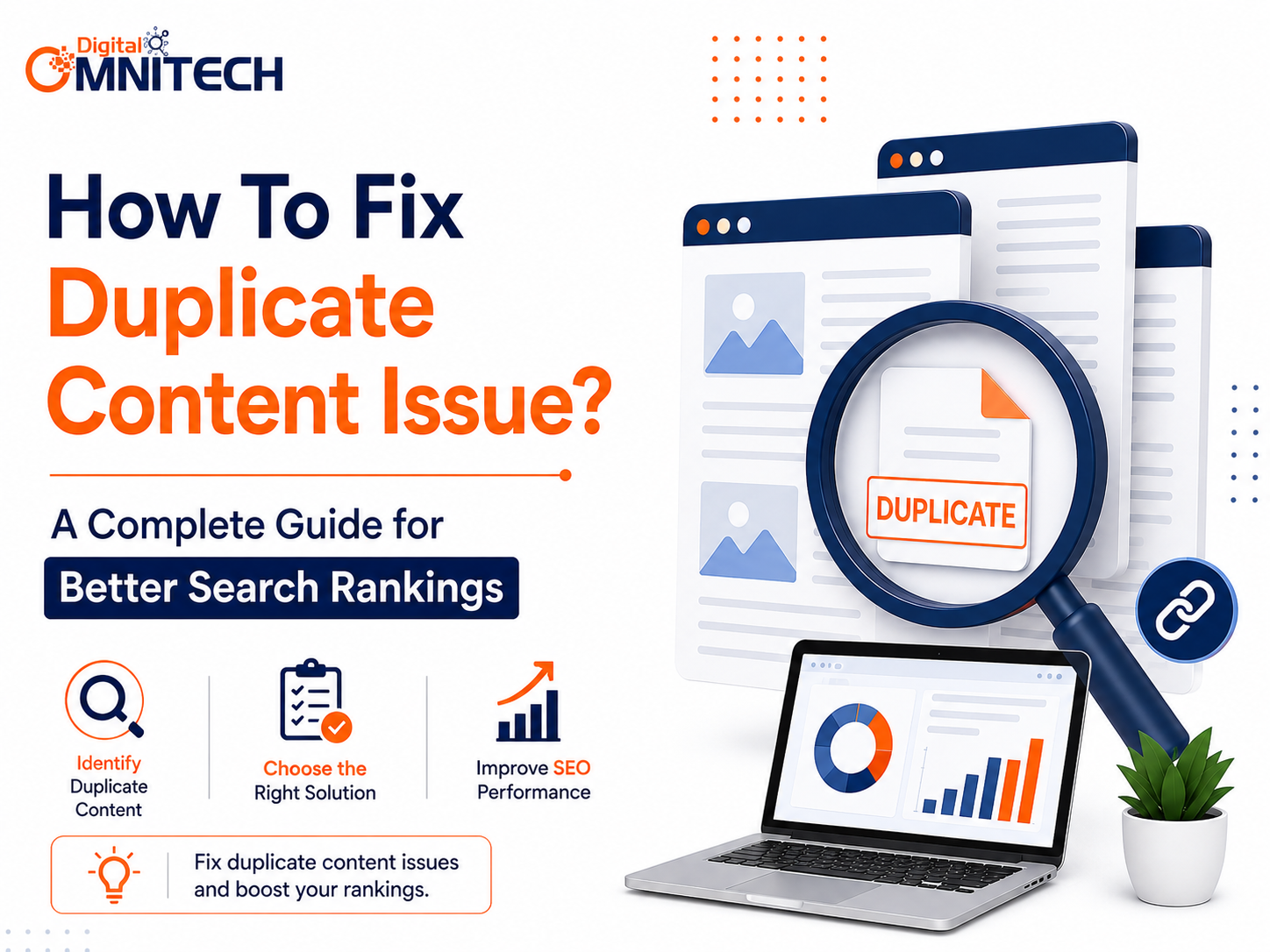
Duplicate content is a common technical SEO issue that can negatively affect a website’s search visibility, crawl efficiency, and ranking potential. When identical or substantially similar content exists on multiple URLs, search engines may struggle to determine which version should be indexed and displayed in search results.
This often results in diluted ranking signals, reduced organic traffic, and inefficient crawling. Resolving duplicate content requires a structured SEO strategy that combines technical optimization, content management, and regular website audits.
Businesses investing in On-Page SEO Services should consider duplicate content analysis an essential part of maintaining a technically optimized website.
Understanding Duplicate Content
Duplicate content refers to identical or nearly identical content available on multiple webpages. This duplication may occur within the same website or across different domains. Search engines aim to provide users with unique and valuable information. When several pages contain similar content, selecting the most relevant page becomes more difficult.
Duplicate content is not always intentional. Website migrations, URL variations, product filters, category pages, printer-friendly versions, syndicated content, and content management system configurations frequently create duplicate URLs without the website owner’s knowledge.
Why Duplicate Content Is Harmful
Although duplicate content does not automatically trigger a manual search penalty, it significantly impacts search engine optimization. Search engines distribute ranking signals across multiple versions of the same page instead of assigning authority to one preferred URL.
Duplicate pages also consume crawl budget, reducing the frequency with which search engines discover new or updated content. Link equity becomes fragmented when backlinks point to different versions of the same page, weakening overall ranking potential.
From a user experience perspective, duplicate pages create confusion and reduce content quality, making website navigation less effective.
Common Causes of Duplicate Content
Several technical and content-related issues contribute to duplicate content.
Different URL versions, including HTTP and HTTPS, www and non-www variations, frequently generate duplicate pages if proper redirects are not implemented.
Session IDs, tracking parameters, sorting filters, and pagination can also produce multiple URLs displaying identical information.
E-commerce websites commonly experience duplication through similar product descriptions and category pages. Blog websites may encounter duplicate issues due to archived pages, tag pages, or repeated article topics.
Content copied from external websites or republished without sufficient modification also contributes to duplication.
Methods for Identifying Duplicate Content
Effective duplicate content management begins with identifying affected pages.
A comprehensive SEO audit evaluates indexed URLs, page titles, meta descriptions, canonical tags, redirects, and internal linking structures. Search engine indexing reports also provide valuable insights into duplicate pages requiring optimization.
Regular content reviews help identify articles targeting identical search intent, allowing unnecessary duplication to be consolidated or rewritten.
Professional SEO analysis performed by Digital OmniTech enables businesses to identify technical issues before they affect search performance.
Effective Solutions to Fix Duplicate Content
Resolving duplicate content requires selecting the most appropriate solution based on the underlying cause.
Canonical tags remain one of the most effective methods for indicating the preferred version of similar webpages. Proper canonical implementation consolidates ranking signals while preventing unnecessary indexing.
Permanent 301 redirects should be implemented whenever duplicate URLs no longer serve a functional purpose. Redirects transfer authority from outdated or duplicate pages to the preferred destination.
Unique page titles, meta descriptions, headings, and body content improve differentiation between webpages targeting related topics.
Content consolidation is recommended when multiple articles address identical subjects. Instead of maintaining several similar pages, combining information into one comprehensive resource strengthens topical authority and improves user experience.
Technical website optimization performed through Technical SEO Services ensures duplicate content issues are resolved without affecting website performance or search engine accessibility.
Best Practices for Preventing Duplicate Content
Preventing duplicate content requires consistent website management.
Each webpage should target a unique search intent supported by original content. URL structures should remain standardized across the website to avoid unnecessary duplication.
Internal linking should consistently reference preferred URLs instead of alternate versions. XML sitemaps should include only canonical pages intended for indexing.
Product descriptions, landing pages, and service pages should be written uniquely rather than reused across multiple sections of the website.
Content publishing workflows should include originality checks before publication, ensuring every webpage contributes unique value.
The Importance of Original Content
Original content remains one of the strongest ranking factors in modern search engine optimization.
High-quality content demonstrates expertise, improves user engagement, and increases opportunities for earning backlinks naturally. Comprehensive articles addressing user intent perform significantly better than multiple short pages covering nearly identical topics.
Content should prioritize informational value, accurate research, logical organization, and regular updates. Maintaining originality also strengthens website authority and improves long-term organic visibility.
Digital OmniTech develops SEO strategies focused on creating technically optimized websites supported by valuable, original content that aligns with search engine guidelines.
Monitoring Duplicate Content Regularly
Duplicate content management should be integrated into ongoing SEO maintenance rather than treated as a one-time task.
Regular technical audits help identify indexing issues, broken canonical tags, duplicate metadata, unnecessary redirects, and newly created duplicate URLs before they impact rankings.
Continuous monitoring also supports efficient crawl management while maintaining website quality standards.
Implementing SEO Audit Services as part of an ongoing optimization strategy helps businesses maintain technical accuracy, improve search performance, and prevent duplicate content from affecting future growth.
Conclusion
Duplicate content remains one of the most significant technical challenges affecting organic search performance. While it rarely results in direct penalties, it weakens ranking signals, reduces crawl efficiency, and limits website authority.
Proper canonical implementation, strategic redirects, original content creation, technical optimization, and continuous monitoring collectively eliminate duplicate content issues while strengthening overall SEO performance.
Organizations seeking sustainable search visibility should prioritize regular technical evaluations and content optimization. Digital OmniTech delivers comprehensive SEO solutions that help businesses resolve duplicate content issues, improve website health, and achieve long-term organic growth through ethical optimization practices.
Frequently Asked Questions (FAQs)
1. What is duplicate content in SEO?
Duplicate content refers to identical or substantially similar content appearing on multiple URLs within the same website or across different websites, making it difficult for search engines to determine the preferred version.
2. Does duplicate content negatively affect search rankings?
Yes. Duplicate content can dilute ranking signals, reduce crawl efficiency, fragment link equity, and decrease the visibility of important webpages in search results.
3. What is the best way to fix duplicate content?
The most effective solutions include implementing canonical tags, using 301 redirects, consolidating similar pages, creating unique content, and maintaining consistent URL structures.
4. How often should duplicate content be audited?
A comprehensive SEO audit should be performed regularly, particularly after major website updates, content additions, migrations, or structural changes.
5. Why choose Digital OmniTech for SEO optimization?
Digital OmniTech provides technical SEO analysis, content optimization, website audits, and long-term search engine optimization strategies designed to improve website performance and sustainable organic growth.