+91 95752 60218


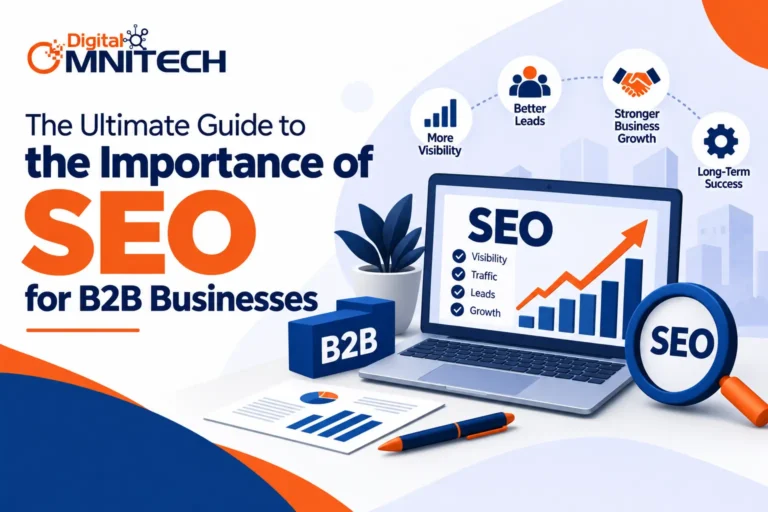
For many small business owners, attracting new customers often seems impossible without investing heavily in paid advertising. While ads can provide quick visibility, they are not the only way to generate leads and grow a business. Search Engine Optimization (SEO) offers a sustainable and cost-effective approach that helps businesses attract potential customers organically through search engines.
When implemented correctly, SEO allows your business to appear in front of people who are already searching for solutions related to your products or services. Instead of paying for every click, you can build long-term visibility that continues to generate leads month after month.
In this article, we’ll explore practical ways small businesses can use SEO to get more clients without spending money on ads.
Why SEO Is Important for Small Businesses
Consumers rely on search engines to find information, compare services, and make purchasing decisions. If your website appears in relevant search results, you have an opportunity to attract highly qualified visitors who are actively looking for what you offer.
Unlike paid advertising, SEO focuses on improving your website’s visibility naturally. The benefits include:
- Consistent website traffic
- Better-quality leads
- Increased brand credibility
- Lower marketing costs
- Long-term business growth
- Higher conversion opportunities
Businesses that invest in SEO often enjoy a steady flow of potential customers without depending entirely on advertising budgets.
Understand What Your Customers Are Searching For
Successful SEO starts with understanding your target audience.
Ask yourself:
- What problems are customers trying to solve?
- What questions do they ask before making a decision?
- Which services are they looking for online?
- What words or phrases might they use in search engines?
By understanding search intent, you can create content that directly answers customer needs and attracts visitors who are more likely to become paying clients.
The goal is not just to increase traffic but to attract people who are genuinely interested in your services.
Focus on Local Search Visibility
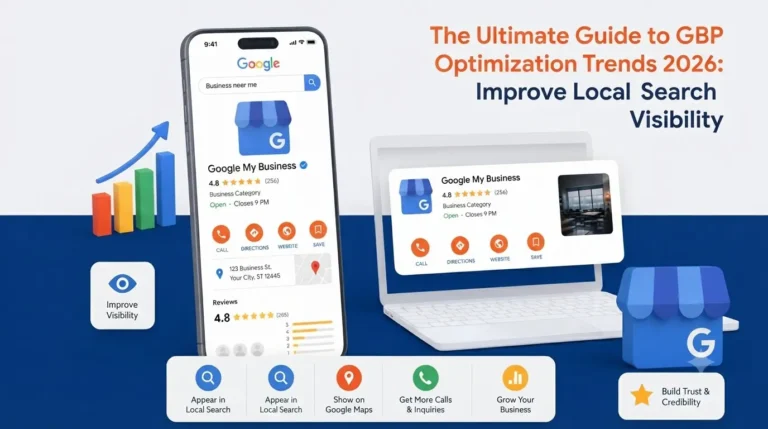
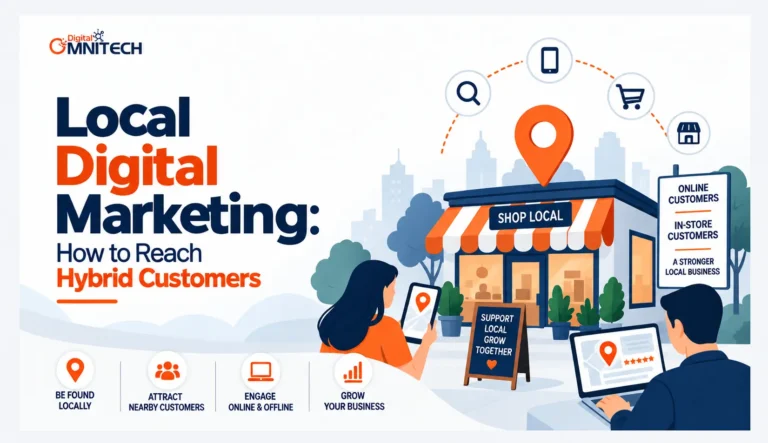
For many small businesses, local customers represent the largest source of revenue. Local SEO helps your business appear when nearby customers search for relevant services.
Some effective local SEO practices include:
Optimize Business Information
Ensure your business information is accurate and consistent across all online platforms.
This includes:
- Business name
- Address
- Phone number
- Website URL
Consistency helps search engines trust your business information.
Create Location-Specific Content
If you serve multiple areas, create pages tailored to each location.
Examples include:
- Marketing Services in Delhi
- SEO Consultant in Mumbai
- Website Development in Bangalore
Location-focused pages can help improve visibility in regional searches.
Encourage Customer Reviews
Reviews build trust and influence buying decisions. Positive customer feedback can improve both credibility and local search performance.
Build Content Around Customer Questions
One of the most effective ways to attract potential clients is by creating content that answers common customer questions.
People search for solutions every day. When your content provides those solutions, search engines are more likely to recommend your website.
Useful content ideas include:
- How-to guides
- Industry tips
- Beginner tutorials
- Problem-solving articles
- Frequently asked questions
Educational content helps establish authority while attracting visitors who may later become customers.
Target Long-Tail Search Terms
Many businesses focus only on highly competitive search terms. However, long-tail keywords often deliver better results because they reflect specific user intent.
Examples include:
- how to get clients through SEO
- SEO strategies for local businesses
- improve website traffic without ads
- generate leads from search engines
- organic marketing techniques
These searches may have lower volume, but they often attract visitors who are closer to making a decision.
Optimize Your Website Pages
Content alone is not enough. Your website should also be optimized to help search engines understand what each page is about.
Improve Page Titles
Create clear and descriptive page titles that accurately represent the content.
Use Relevant Headings
Organized headings improve readability for both users and search engines.
Write Helpful Meta Descriptions
A compelling meta description can increase click-through rates from search results.
Add Internal Links
Internal linking helps visitors discover related content and improves website navigation.
For example, businesses offering small business SEO services can naturally link service pages from relevant blog content to guide users toward solutions.
Create Content Consistently
SEO rewards consistency.
Publishing valuable content regularly can help increase search visibility over time.
Some content formats include:
- Blog posts
- Industry insights
- Case studies
- Checklists
- Tutorials
- Resource pages
The more useful content you publish, the more opportunities you create for potential customers to find your website.
Consistency also helps build authority within your industry.
Improve User Experience
Search engines prioritize websites that provide a positive user experience.
A website that is difficult to use may lose visitors before they become leads.
Focus on:
- Fast loading speeds
- Mobile responsiveness
- Easy navigation
- Clear calls-to-action
- Secure browsing
A better user experience often leads to improved engagement and higher conversion rates.
Use Local SEO to Generate Qualified Leads
Local searches often have strong buying intent.
When someone searches for a service in their area, they are usually looking for immediate solutions.
Investing in local SEO services can help businesses improve visibility in local search results and connect with customers who are ready to take action.
Some effective local SEO strategies include:
- Optimizing local business listings
- Building location-based content
- Managing customer reviews
- Creating city-specific landing pages
These efforts can significantly increase inquiries and lead generation.
Earn Trust Through Authority Content
People prefer to do business with companies they trust.
One of the best ways to build trust is by publishing content that demonstrates expertise.
Consider creating:
- Industry reports
- Comprehensive guides
- Research-based articles
- Expert insights
- Educational resources
When visitors consistently find helpful information on your website, they are more likely to view your business as a trusted authority.
This trust can eventually turn visitors into paying clients.
Build Quality Backlinks
Backlinks remain one of the strongest SEO ranking factors.
A backlink occurs when another website links to your content.
Quality backlinks signal trust and authority to search engines.
Some ways to earn backlinks include:
- Publishing original research
- Creating useful resources
- Writing guest articles
- Producing shareable content
Focus on relevance and quality rather than quantity.
A few authoritative backlinks can have a greater impact than hundreds of low-quality links.
Turn Traffic Into Leads
Traffic alone does not generate revenue.
Your website should encourage visitors to take action.
Consider offering:
- Free consultations
- Downloadable guides
- Website audits
- Checklists
- Resource libraries
These lead-generation opportunities help convert website visitors into potential clients.
Businesses that prioritize SEO lead generation often achieve stronger long-term growth because they focus on attracting and converting qualified prospects.
Monitor Performance and Make Improvements
SEO is not a one-time activity.
Track important metrics such as:
- Organic traffic
- Keyword rankings
- Bounce rate
- Conversion rate
- Lead inquiries
- User engagement
Regular monitoring helps identify opportunities for improvement and ensures your strategy remains effective.
Small adjustments made consistently can produce significant results over time.
Common SEO Mistakes to Avoid
Many businesses struggle with SEO because they make avoidable mistakes.
Some common issues include:
- Ignoring keyword research
- Publishing low-quality content
- Neglecting mobile optimization
- Creating duplicate content
- Building poor-quality backlinks
- Expecting instant results
SEO requires patience and consistency. Businesses that focus on long-term value typically see the strongest outcomes.
Conclusion
Getting clients through SEO does not require a large advertising budget. By understanding customer intent, creating valuable content, optimizing your website, improving local visibility, and building authority online, small businesses can attract qualified leads without spending on ads.
SEO is one of the most cost-effective marketing strategies available today. While results may take time, the long-term benefits often outweigh the short-term gains of paid advertising.
Businesses that consistently invest in SEO can build sustainable growth, increase visibility, and create a reliable source of leads for years to come.
FAQs
1. Can small businesses get clients through SEO without running ads?
Yes. SEO helps businesses attract organic traffic from users actively searching for relevant products or services, making it possible to generate leads without paid advertising.
2. How long does SEO take to show results?
Most businesses start seeing noticeable improvements within three to six months, although timelines vary depending on competition and website quality.
3. Why is local SEO important for small businesses?
Local SEO helps businesses appear in location-based searches, making it easier to attract nearby customers who are ready to purchase.
4. What type of content works best for SEO?
How-to guides, tutorials, FAQs, industry insights, case studies, and educational blog posts often perform well because they address user needs and search intent.
5. Is SEO better than paid advertising?
Both have benefits, but SEO provides long-term visibility and sustainable traffic without requiring continuous advertising spend.