+91 95752 60218

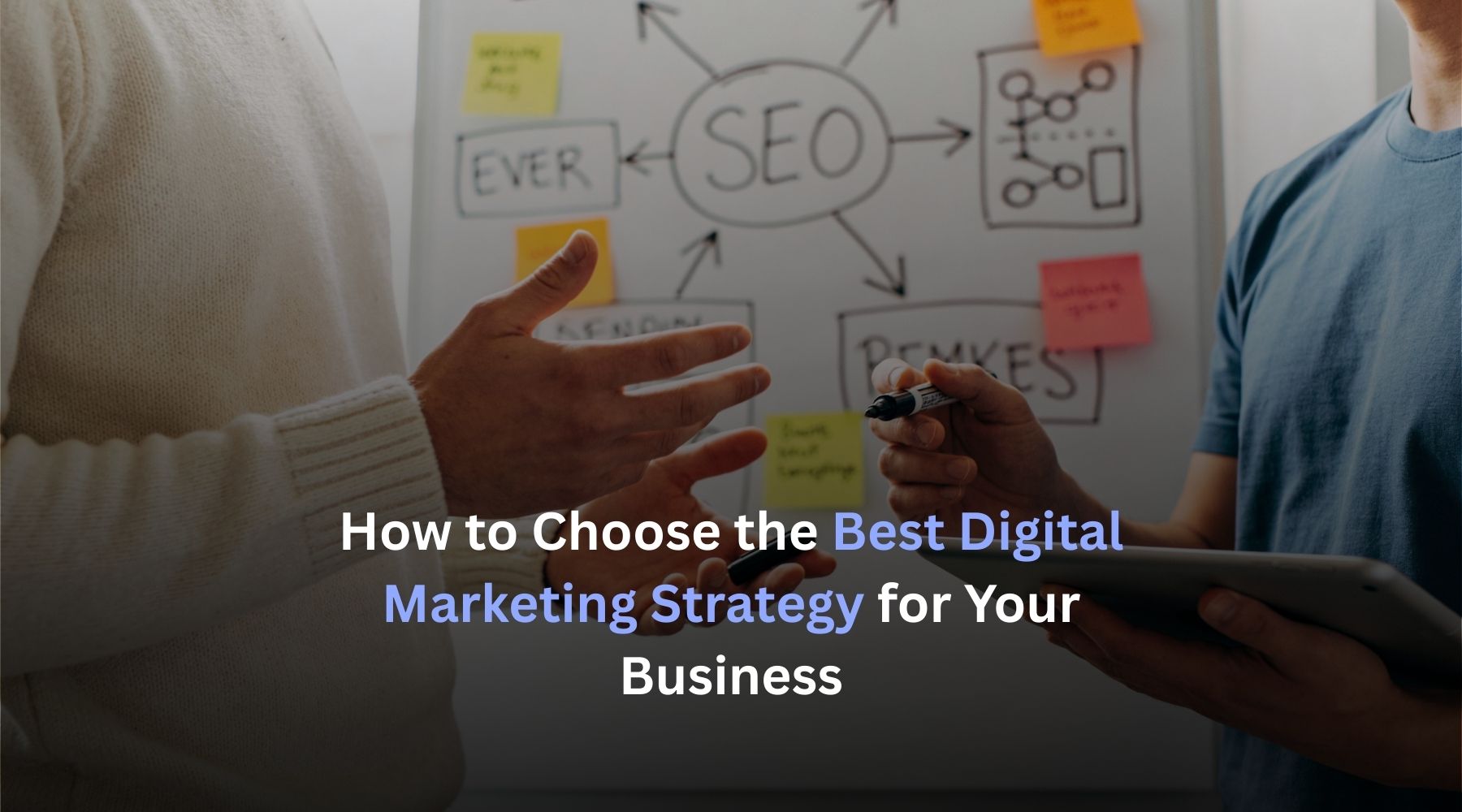
In today’s digital-first world, having an online presence is no longer enough. The real challenge lies in choosing the right digital marketing strategy for your business. With endless platforms, tools, and opinions available, it’s easy to feel confused or unsure where to begin.
Should you focus on SEO for long-term growth? Invest in paid advertising for faster results? Or explore a mix of both? The answer depends entirely on your business goals, audience, and budget.
This article is designed as a practical guide to online marketing for startups and growing businesses, helping you make informed decisions without the jargon or guesswork.
What Is a Digital Marketing Strategy?
A digital marketing strategy is a clear plan outlining how your business will use online channels to reach, engage, and convert customers. Rather than trying everything at once, it focuses on selecting the most effective tools for your specific needs.
Common digital marketing channels include:
- Search Engine Optimisation (SEO)
- Google Ads Management
- Content marketing
- Social media marketing
- Email marketing
- Website optimisation and analytics
The key is integration. When these elements work together, they create a strong and sustainable online presence.
Start with Clear and Measurable Business Goals
Before investing time or money into marketing, take a step back and define what success looks like for your business.
Ask yourself:
- Do I want more website visitors?
- Am I trying to generate leads or sales?
- Is brand awareness my main priority?
- Am I targeting a local or global audience?
Clear goals help you choose the most effective strategy and prevent wasted spending. For example, businesses seeking immediate leads may benefit from Google Ads, while those aiming for long-term visibility should prioritise Search Engine Optimization.
Understand Your Target Audience
One of the most overlooked aspects of digital marketing is truly understanding your audience. Knowing who you’re speaking to makes your messaging more relevant and impactful.
Consider:
- Demographics such as age, location, and profession
- Online habits and preferred platforms
- Common problems or pain points
- How they search for products or services like yours
A well-defined audience allows you to tailor your content, keywords, and ads — improving engagement and conversion rates across all channels.
Why SEO Should Be the Foundation of Your Strategy
SEO is one of the most effective and sustainable digital marketing methods available. It helps your website rank higher on search engines when potential customers actively search for what you offer.
Benefits of SEO
- Consistent organic traffic
- Increased trust and credibility
- Cost-effective long-term results
- Higher-quality leads
SEO includes keyword optimisation, technical improvements, content creation, and link building. While it takes time, SEO delivers lasting value and is a vital part of any guide to online marketing for startups.
When to Invest in Google Ads Management
While SEO builds momentum gradually, Google Ads Management delivers immediate visibility. Paid ads place your business at the top of search results, targeting users with strong intent.
Advantages of Google Ads
- Fast and measurable results
- Budget control and flexibility
- Highly targeted audience reach
- Ideal for promotions and new launches
Google Ads work best when campaigns are carefully structured and optimised. Poor targeting or messaging can quickly drain budgets, which is why ongoing management is essential.
SEO vs Google Ads: Which One Is Better?
Rather than choosing between SEO and Google Ads, many successful businesses use both together.
Here’s why:
- Google Ads provide instant traffic
- SEO supports long-term growth
- Paid keyword data improves SEO strategy
- SEO reduces dependency on ads over time
This balanced approach delivers both short-term results and long-term stability.
The Role of Content Marketing
Content marketing plays a crucial supporting role in digital marketing. Blogs, guides, videos, and case studies help educate your audience while improving SEO performance.
Effective content:
- Answers real customer questions
- Builds authority and trust
- Supports search engine rankings
- Enhances social media and email campaigns
Focus on clarity and usefulness rather than volume. High-quality, relevant content always outperforms generic posts.
Using Social Media with Purpose

Social media is valuable when used strategically. Instead of trying to be everywhere, focus on platforms where your audience is most active.
Choose channels based on:
- Your industry and business model
- Content format (video, visuals, written)
- Audience engagement behaviour
Consistency, authenticity, and engagement matter far more than frequent posting.
Setting a Realistic Digital Marketing Budget
Your budget influences how aggressive or gradual your strategy can be. The good news is digital marketing can be scaled at any level.
Smart budgeting tips:
- Start small and test performance
- Focus on high-impact channels
- Avoid spreading resources too thin
- Track return on investment regularly
For startups, combining SEO foundations with targeted Google Ads often delivers the best balance of growth and affordability.
Measure Results and Optimise Continuously
Digital marketing is never static. Regular monitoring helps you understand what’s working and what needs improvement.
Track metrics such as:
- Website traffic and engagement
- Conversion rates
- Keyword rankings
- Ad performance
- User behaviour
Data-driven decisions allow you to refine your strategy and maximise results over time.
Should You Hire a Digital Marketing Agency?
Managing digital marketing internally can be challenging, especially without expertise or time. A professional agency can help with SEO, Google Ads Management, content strategy, and performance tracking.
The right agency acts as a growth partner, providing expertise, transparency, and measurable results — allowing you to focus on running your business.
Conclusion: Choose Strategy Over Shortcuts
Choosing the best digital marketing strategy isn’t about following trends — it’s about understanding your business, audience, and goals.
Whether you’re using this as a guide to online marketing for startups, investing in SEO, or launching paid campaigns, success comes from consistency, clarity, and adaptability.
With the right approach, digital marketing becomes a powerful tool for sustainable growth rather than a confusing expense.
Frequently Asked Questions (FAQs)
1. What is the best digital marketing strategy for startups?
A combination of SEO, content marketing, and targeted Google Ads works well for most startups looking to grow steadily and sustainably.
2. How long does SEO take to show results?
SEO typically shows noticeable improvements within 3–6 months, with stronger results over time.
3. Is Google Ads worth the investment?
Yes, when managed properly. Google Ads are ideal for quick visibility, lead generation, and competitive markets.
4. Can I manage digital marketing myself?
Yes, but it requires time, learning, and consistency. Many businesses benefit from expert support to avoid costly mistakes.